
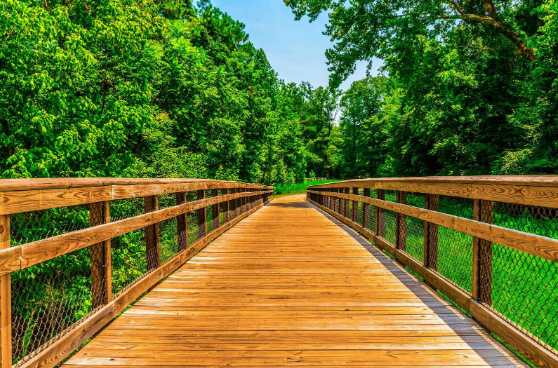

Pedestrian pathways are important for ensuring safe and comfortable movement for people walking in parks, neighborhoods, and urban areas. Choosing the right material and method for building these pathways can greatly affect safety, durability, and environmental impact. Timber bridge construction has become an increasingly popular option for pedestrian pathways due to its many benefits. This article explains why timber bridge construction is the ideal choice for creating safer pedestrian pathways.
Natural Safety Features of Timber Bridges
One of the key reasons timber bridge construction is preferred for pedestrian pathways is the natural safety it offers. Timber has a slightly textured surface that provides good traction, even when wet. This reduces the risk of slipping, which is especially important in areas prone to rain or dew. Unlike smooth concrete or metal surfaces, timber helps pedestrians walk with more confidence and security.
Furthermore, timber bridges can be designed with gentle slopes and handrails that support safe use. The flexibility of timber allows builders to customize pathways to fit the landscape, ensuring easier access and fewer obstacles. This contributes to safer, more user-friendly pedestrian routes.
Environmental Benefits That Enhance Community Well-Being
Timber is a renewable resource, which means timber bridge construction supports environmental sustainability. Using timber encourages responsible forest management and reduces reliance on non-renewable materials like steel or concrete. For communities, this means pedestrian pathways are not only safe but also environmentally friendly.
Timber bridges blend well with natural surroundings such as parks, forests, and gardens. This creates a more pleasant walking experience and encourages people to spend more time outdoors. The connection to nature can improve mental well-being and promote healthier lifestyles, making timber bridges a holistic solution for community spaces.
Durability and Strength for Long-Lasting Pathways
Many people assume timber is less durable than other materials, but modern timber bridge construction uses treated wood and advanced techniques to ensure strength and longevity. Treatments protect timber from decay, insects, and weather damage, which helps maintain the safety and integrity of pedestrian pathways over time.
Engineers design timber bridges to carry expected pedestrian loads safely while resisting environmental stress. When properly maintained, timber bridges can last for decades. This makes timber a practical investment for communities aiming to build reliable and safe pedestrian pathways that require less frequent repairs or replacements.
Cost-Effectiveness Supports Wider Accessibility
Cost is often a major factor when deciding on construction materials for pedestrian pathways. Timber bridge construction generally requires lower initial costs compared to concrete or steel bridges. The materials are easier to transport and assemble, which reduces labor expenses and construction time.
Lower costs mean local governments and organizations can build more pedestrian bridges and pathways within their budgets. This expands safe walking options for a greater number of people, helping communities become more walkable and connected without heavy financial strain.
Easy Maintenance for Continued Safety
Maintaining safety on pedestrian pathways is critical. Timber bridges are relatively easy to inspect and repair, allowing small issues to be fixed before they become hazards. Damaged planks or handrails can be replaced quickly without major disruptions.
Regular maintenance ensures timber pathways remain safe throughout their lifespan. Since timber does not corrode like metal or crack like concrete, it is easier to keep in good condition. This ongoing care supports safer walking environments and reduces the chance of accidents.
Aesthetic Appeal Enhances the Walking Experience
Beyond safety and durability, timber bridge construction offers an attractive appearance that complements outdoor environments. The natural wood grain and warm colors create a welcoming and comfortable atmosphere for pedestrians.
This aesthetic appeal encourages more people to use the pathways, increasing foot traffic and community engagement. When pedestrian routes are pleasant to walk on and look good, they contribute to a safer overall environment by promoting regular use and natural surveillance.
Conclusion
In conclusion, timber bridge construction is an excellent choice for safer pedestrian pathways. Its natural safety features, environmental benefits, durability, cost-effectiveness, ease of maintenance, and aesthetic appeal make it ideal for communities focused on creating secure and inviting walking spaces. Choosing timber supports both the people who use these pathways and the environment around them, making it the smart and responsible option for pedestrian infrastructure.